Falls Awareness Training
The course begins by defining what is meant by a fall, before outlining statistics on the negative impact of falls for older people and others in the care sector. The course then explains the term ‘multifactorial assessment’ in relation to falls and explains what should be included in a multifactorial assessment. Learners are then informed about different hazards that can increase the risk of a fall and are required to identify potential hazards in a simulated environment.
In the third stage, the course describes the importance of strength and exercise programmes and outlines the guidelines for their implementation. The course then describes different aids and adaptations that can be used to help prevent falls and explains how eyesight, medication and bladder and bowel problems can increase the risk.
In the final stage, the learner is informed about what to do if an individual does have a fall, including advice to give if the individual is on their own. They are also informed about the importance of recording falls, and the post-incident review.
On completion of this course learners should know and understand the following:
Course syllabus includes:
Find other Training Courses to help your staff










Professionals trained to solve your needs & exceed expectations
Professionals trained to solve your business needs & exceed expectations
Complete our contact form and one of our advisers will be in touch within 24 hours.
Professionals trained to solve your business needs & exceed expectations
Professionals trained to solve your business needs & exceed expectations
Complete our contact form and one of our advisers will be in touch within 24 hours.
Leave a Comment or Review of this Course Here
What we do at iCareServicesGroup
What we do at iCareServicesGroup

iCareServicesGroup delivers quality care to our clients in their own homes with pride. Respecting the rights, wishes and needs of service users, including their communication needs.

We occupy a prominent role in consultancy services across the UK to a wide range of diverse clients. The iCareServicesGroup prides itself on an ethical approach, attention to detail and providing the clients with honest, objective and balanced opinions.
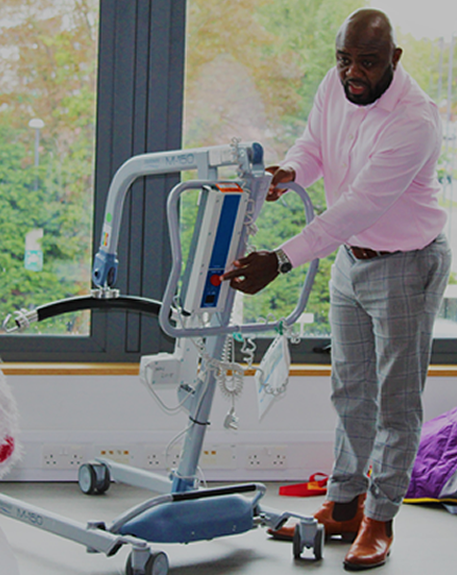
Your organisation is unique, so we offer a range of tailored Training Services to meet specific organisational goals defined by YOU. We provide training to your business, not everyones.